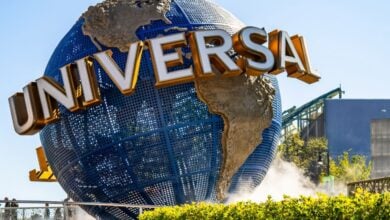
For generations of Southern California theme park fans, arriving at Universal Studios Hollywood has felt almost ritualistic.
The walk through CityWalk—the music, the crowds, the anticipation, the growing excitement as the iconic globe comes into view—has long been part of the experience itself. Before guests ever stepped onto a ride or entered a themed land, they were already immersed in the energy that makes a day at Universal feel different from everyday life.
But this week, longtime visitors began noticing something unusual.
A subtle operational shift is changing a routine that has remained largely untouched for nearly a quarter-century. At first glance, it might seem like a simple adjustment. Yet for many guests, it represents something much bigger: another sign that theme parks are evolving rapidly as operators prepare for a future shaped by larger crowds, heightened security expectations, and global events unlike anything Los Angeles has seen in years.

What Guests Are Experiencing Before They Even Reach CityWalk
Beginning Wednesday, Universal Studios Hollywood officially rolled out a new security configuration that changes how guests enter both CityWalk and the theme park itself.
For the first time since 2001, visitors are no longer following the same arrival process that defined the resort for decades.
Instead of walking freely into CityWalk and then passing through security before entering the theme park, guests now encounter security checkpoints before reaching the entertainment district.
The new setup includes three separate security hubs positioned around the resort. One remains at the main entry plaza, while additional checkpoints have been added near the Jurassic Parking structure adjacent to NBC Sports Grill & Brew and the newly opened Mr. BBQ restaurant. A third checkpoint has been installed near Margaritaville in the former iFly location.
The result is a dramatically different guest flow that effectively places CityWalk within a secured perimeter.

Fans Are Seeing a Familiar Strategy Take Shape
For many theme park enthusiasts, the new arrangement feels familiar.
That's because it mirrors a security model already used at Disneyland Resort, where visitors pass through security screening before entering Downtown Disney, Disneyland Park, or Disney California Adventure.
For years, Universal Studios Hollywood operated differently. CityWalk served as a transitional space between the outside world and the theme park gates. Guests could dine, shop, meet friends, or simply enjoy the atmosphere without first going through security screening.
Now, that separation is disappearing.
What started as a security adjustment is fundamentally changing the first impression guests receive when arriving at the resort.
Some visitors will likely appreciate the streamlined approach once inside the secured zone. Others may miss the more open and spontaneous feeling that CityWalk traditionally offered.
Either way, the guest experience begins differently now than it did just days ago.
A Bigger Story May Be Driving This Change
Universal is framing the move as part of a broader operational alignment.
“As the Universal Studios Hollywood destination continues to evolve, we are aligning our security protocols with other Universal destinations across the country by adding metal detection hubs adjacent to the parking structures,” a Universal Studios Hollywood spokesperson said in a statement.
Yet the timing has caught the attention of many industry observers.
Los Angeles is currently welcoming international visitors connected to the FIFA World Cup while simultaneously preparing for the massive influx expected ahead of the 2028 Summer Olympics.
Those events represent an unprecedented challenge for tourism infrastructure across Southern California.
Security planning isn't simply about today's crowds. It's increasingly about preparing for what cities, resorts, and attractions may face years from now.
Universal's latest move could be viewed as part of that larger preparation effort.

This Change Reflects a Growing Industry Trend
Theme parks across the country have spent the last decade quietly transforming how guests enter their properties.
Security checkpoints have expanded. Technology has become more sophisticated. Perimeter screening has moved farther away from actual park gates.
The goal is often the same: create larger secured zones while reducing bottlenecks closer to major attractions.
Guests may not always notice the operational reasoning behind these changes, but they feel the impact immediately.
The moment they arrive.
The path they walk.
The places they can access.
The overall atmosphere of the destination.
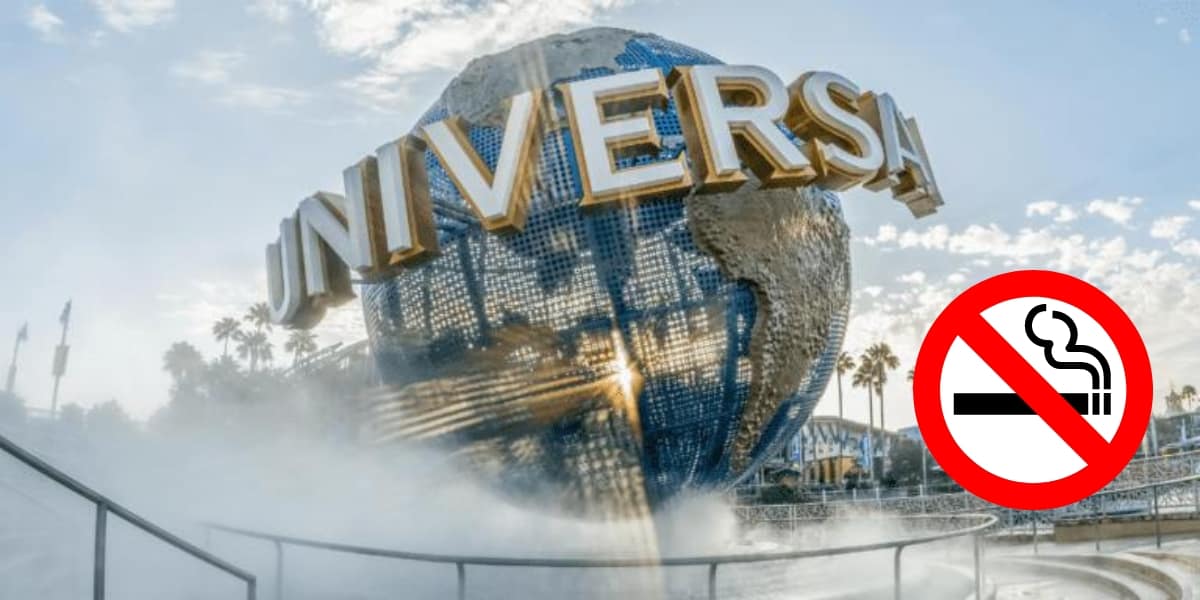
Universal's new configuration reflects a broader reality facing the entertainment industry: security is no longer viewed as a separate operational function. It's becoming an integrated part of the guest experience itself.
What Happens Next Could Be Just as Important
For now, most guests will likely adapt quickly.
Theme park visitors are remarkably flexible, and many will simply incorporate the new checkpoints into their arrival routine. But that doesn't mean the change is insignificant.
For longtime Universal Studios Hollywood fans, this marks the end of an arrival experience that has remained largely consistent since the resort's early-2000s transformation.
And while the new security hubs are designed to improve efficiency and preparedness, they also symbolize something larger happening throughout the industry.
As theme parks continue preparing for bigger crowds, global events, and evolving security expectations, guests may find that the journey into these destinations changes just as much as the attractions inside them.
What began as a practical operational update has become another reminder that the modern theme park experience is constantly being reshaped—and sometimes the most meaningful changes happen before guests even reach the front gate.