Social media platforms have become flooded with heartwarming videos showing Disney character performers violating an official company policy—and the clips keep racking up millions of views despite going against strict training protocols.
A former entertainment cast member from Walt Disney World Resort recently lifted the curtain on several rules governing character interactions, including one that performers often ignore in favor of creating magical moments for guests.
Understanding Character Categories at Disney Parks
The United States Disney parks separate their costumed performers into two distinct classifications: “face” and “fur” characters. The distinction determines how these entertainment cast members can engage with visitors throughout their shifts.

Fur characters include costumed performers like Mickey Mouse and Goofy, who remain silent during interactions with Disney Park guests. These characters might produce kiss sounds or, in Stitch's case, slobbering noises, but they rely primarily on physical gestures and body language to communicate. Face characters, like Belle or Peter Pan, can engage in verbal conversations with guests, mimicking the speaking style of their movie counterparts while adhering to strict guidelines regarding appropriate dialogue.
Both categories operate under Disney's “character integrity” philosophy, which ensures children believe they're encountering the genuine version of their beloved on-screen heroes rather than performers in costume.
Five Rules Revealed by Former Cast Member

Morgan DeVore, who previously worked as an entertainment cast member at Walt Disney World Resort, recently shared insights about character performer protocols through her TikTok account @morgandevore97. Her video outlined five specific rules that Disney enforces for character interactions.
@morgandevore97 5 things that Disney characters are NOT allowed to do from a former character. Did any of these surprise you?? I’m so curious ✨ #disneycharacters #disneycharacter #disneyperformer #disneyadult #disneyadult
No Lifting Children
Character performers are not permitted to pick up or carry young guests, even when families request it for photo opportunities.
“We cannot be standing holding your child,” the former Disney cast member explained. “Some people get really upset about this. It's really just for their own safety. In case anything were to happen, we don't want to be held liable.”

Characters can sit on the ground and allow children to lean against them or sit in their laps, but standing while holding a child is not permitted due to safety protocols.
Head-Touching Prohibited
Disney Parks guests might find it surprising that characters cannot touch the tops of visitors' heads, despite how natural the gesture seems during interactions with small children.
“That might be silly, but sometimes when little kids come around, you kind of think about touching the top of their head,” she said. “I think it's just kind of a thing of like, you don't know if they have lice or anything like that in their hair.”

Beyond hygiene concerns about lice potentially spreading to expensive wigs and costumes, Disney Parks fans pointed out additional cultural and practical considerations in DeVore's comment section.
“It's taboo in many cultures to touch the top of heads,” said @aunt_fox.
“It's a very demeaning gesture in general,” @_do.not.care_ agreed. “I'm from the Southern US and I was raised to never touch or pat someone else on the top of their head because it's rude.”

“Top of guest's heads reason: terminally ill (or other) people may have lost their hair and can be wearing a hairpiece,” @orlandoweddingdj added. “Could cause embarrassment or even a liability.”
Hands Visible in Photos
Photography protocols require character performers to keep at least one hand visible in every guest photo, even if both hands don't need to appear in the frame simultaneously.
“The third one is that, in pictures, we have to have our hands showing at all times,” DeVore continued. “Now, that doesn't necessarily mean you have to see both hands…You can have one hand that's on the top of their back, but then your other hand needs to be showing.”
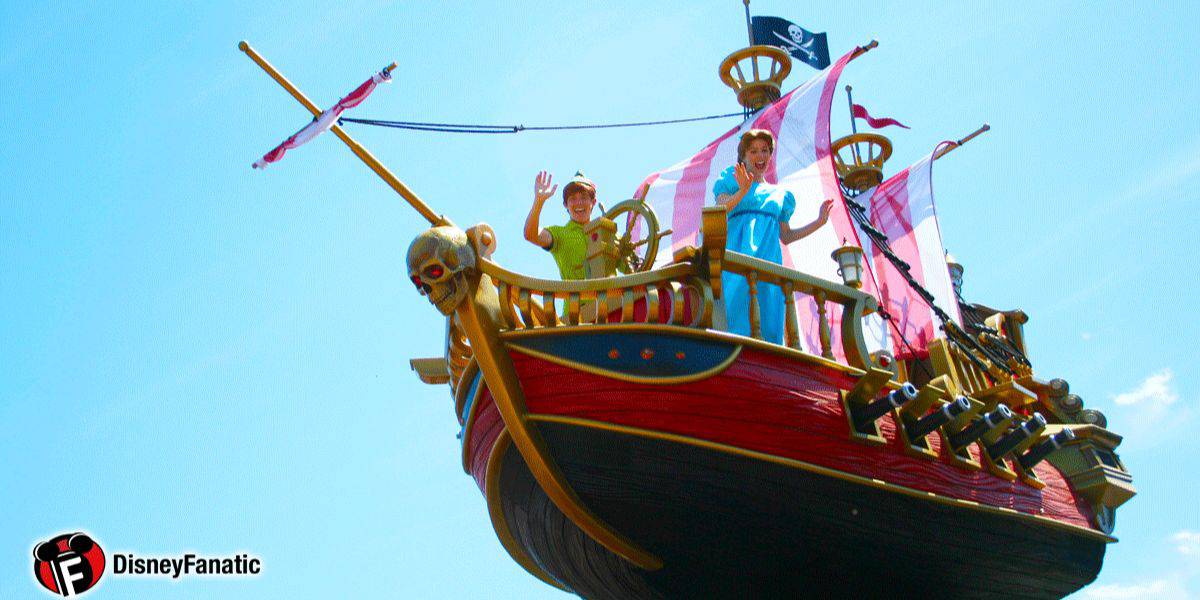
Disney provides recommended poses for each character that align with their personality and storyline while ensuring hand visibility remains constant.
“This is really to protect the character,” the former Disney employee explained. “If someone were to say that a character touched them inappropriately, or something happened, we can go back and look at that picture and tell them, either it did, or it didn't happen.”
Proposal Photo Restrictions
Characters must avoid appearing in the actual proposal moment when guests get engaged at Disney parks. They can participate in celebrations afterward, but cannot be photographed in positions that make it appear they're receiving the proposal themselves.

“I would advise if you really do want to incorporate a certain character into your proposal, just tell the character attendant about it,” DeVore said. “We can 100% make that happen for you, but it just cannot look like the character is getting proposed to because it's all about character integrity and keeping that magic alive.”
The Rule Disney Characters Keep Breaking
The fifth protocol DeVore discussed generates countless viral videos despite remaining officially prohibited. Character performers across both Disneyland Resort and Walt Disney World Resort frequently violate this particular guideline, and the touching moments often circulate on social media platforms.
“This might be a little contradictory to what you've seen before, but I distinctly remember in my training, we were not allowed to speak another language or do sign language,” the former Disney cast member said.
Videos showing both face and fur characters communicating through sign language with deaf or hard-of-hearing guests have accumulated millions of views online. Some cast members report seeing these exact videos during their mandatory “Traditions” onboarding training, despite the clips documenting behavior that technically violates company policy.
“Again, that really falls under the umbrella of character integrity…,” DeVore continued. “At the end of the day, we are there to serve the kids, but at the same time, let's hypothetically say that later, that kid comes and meets Tinker Bell again, and it's a different ‘friend…' that doesn't know sign language, or speak the other language, that ruins the integrity.”
Limited Exceptions to Language Policy

Walt Disney World Resort and Disneyland Resort have introduced minor policy adjustments in recent years. Bilingual characters like Mirabel from the 2021 film Encanto now have permission to speak limited Spanish with guests, reflecting the character's on-screen background. However, Disney hasn't signaled any plans to expand language permissions beyond these narrow exceptions.
Has a Disney character ever made your theme park visit more magical? Share your memories with Disney Fanatic in the comments!